I’ve spent thirty-four years watching people pour their heart, soul, and expensive flour into a beautiful loaf, only to throw it in the bin twenty-four hours later because they didn’t know how to treat it once it left the oven. They go searching for some miracle, high-tech gadget or a fancy vacuum sealer, thinking a “complete guide to baking storage” means buying more plastic. It’s nonsense. Most of what you read online is just marketing fluff designed to make you feel like your kitchen is inadequate. The truth is, a loaf doesn’t go stale because you lack the right equipment; it goes stale because you misunderstood its rhythm and let the air steal its life.
I’m not here to sell you a subscription to a gadget magazine or a set of overpriced airtight canisters. What I’m going to give you is the honest, unvarnished truth about how to keep your crusts crisp and your crumbs moist using nothing but common sense and a few basic tools. We’re going to talk about the actual science of moisture migration and why your refrigerator is often the enemy of a good sourdough. By the time we’re done, you’ll understand that protecting your bake is less about buying things and more about respecting the work you put into the dough.
The Best Way to Store Sourdough and Preventing Bread Staling
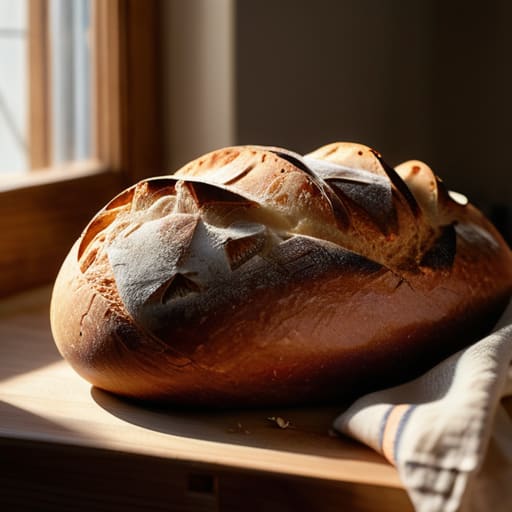
Now, let’s talk about that crust you worked so hard to develop. If you take a fresh loaf of sourdough and shove it straight into a plastic bag, you’ve just signed its death warrant. The moisture from the crumb will migrate straight into that crisp, crackling exterior, turning your beautiful work into something soft and sad. The best way to store sourdough is to let it cool completely on a wire rack—never, ever cut into it while it’s still breathing heat—and then wrap it in a clean linen cloth or a heavy paper bag. This allows the bread to breathe just enough so the crust stays resilient without the crumb turning into a brick.
If you aren’t planning on finishing the loaf within a day or two, don’t let it sit on the counter and suffer. People often think the refrigerator is a friend to bread, but it’s actually a thief; it accelerates the staling process faster than almost anything else. When it comes to preventing bread staling over the long term, your best bet is the freezer. Slice your loaf first, wrap it tightly in parchment, and then layer it in a freezer bag. It’ll stay as good as the day it left the oven for weeks, provided you don’t let it sit in the door of the freezer like an afterthought.
Airtight Container Benefits Protecting the Crumb From the Air
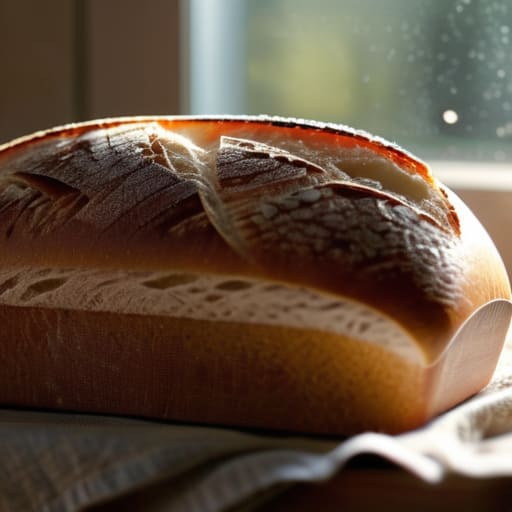
Now, let’s talk about why we bother with containers at all. If you leave a loaf sitting out on the counter, even under a tea towel, you’re essentially inviting the air to steal its soul. Air is a thief; it pulls the moisture right out of the crumb, leaving you with something that feels more like a crouton than a piece of bread. When we discuss preventing bread staling, the goal isn’t just to keep the loaf “fresh,” but to maintain that specific, soft elasticity we worked so hard to develop during the ferment.
An airtight container provides a controlled little environment. By sealing the bread off, you are managing the moisture retention within the loaf itself. However, a word of warning from someone who has seen too many soggy crusts: don’t go sealing a loaf that is still even slightly warm. If you trap steam inside that container, you aren’t protecting the bread; you’re essentially steaming it, which turns a crisp crust into something limp and gummy. You want to trap the moisture, not create a swamp.
Five Ways to Keep Your Loaves from Losing Their Soul
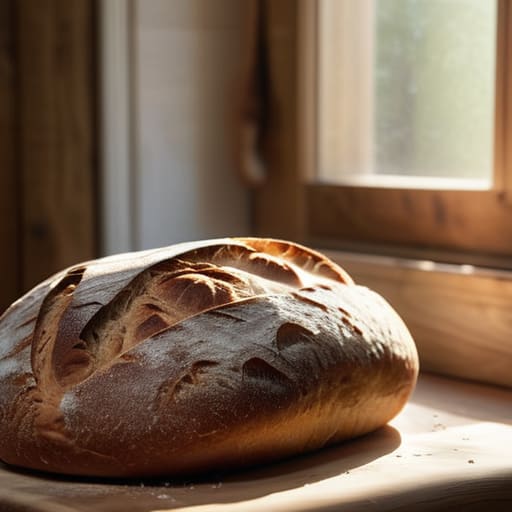
- Never, and I mean never, wrap your bread while it is still warm. I know it smells heavenly, but that steam will turn into moisture inside your bag, and you’ll wake up to a gummy, sodden mess instead of a crusty loaf. Let it cool completely on a wire rack so the air can reach every side.
- Forget the refrigerator. I’ve seen people do it thinking they’re being clever, but the cold air in a fridge actually accelerates staling by crystallizing the starches faster. If you aren’t going to eat it within a day or two, freeze it. A proper slice of frozen sourdough is a far better thing than a stale slice of refrigerated bread.
- Use your senses, not just a timer. If you’re storing something high-hydration—say, an 80% hydration sourdough—it’s going to be more temperamental. It needs a bit more protection from the air than a stiff sandwich loaf, but if you seal it too tight while it’s still “breathing,” you’ll lose that beautiful structure.
- Paper for the crust, plastic for the crumb. If you have a loaf with a thick, hard crust that you want to keep singing, a simple paper bag is your friend. But if you’re working with a softer, enriched dough, you’ll need a more substantial barrier to keep the moisture from migrating out.
- Treat your bread like a living thing. If your kitchen is particularly humid or particularly drafty, your storage needs to adjust. Don’t just follow a rule blindly; feel the crust. If it feels soft when it should be crisp, your container isn’t doing its job.
What to Remember When the Oven Goes Cold
Treat your bread like it’s alive; never, ever put a warm loaf into a container, or you’ll trap the steam and turn your beautiful crust into a damp, gummy mess.
Forget the refrigerator—it’s a thief that steals moisture and accelerates staling; if you aren’t eating it today, keep it at room temperature in a paper bag or a linen cloth.
Listen to the crust, not the clock; if your loaf is starting to feel a bit firm, a quick splash of water and a few minutes back in a hot oven can often wake it up, but don’t try to rush the drying process.
The Last Crust of Advice
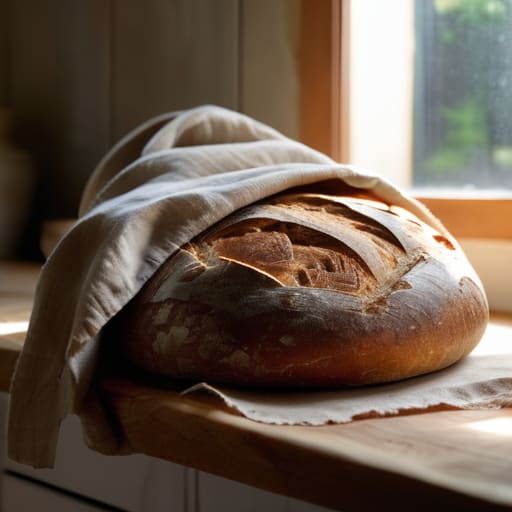
At the end of the day, storing your bread isn’t about following a strict set of rules found in a textbook; it’s about understanding the relationship between your loaf and the air around it. We’ve talked about why those airtight containers are your best friend for keeping the crumb supple, and why you should never, ever let a beautiful sourdough sit exposed on a counter like a forgotten decoration. Remember, if you’re dealing with something crusty and rustic, a paper bag might serve you for a few hours, but if you want that bread to last through a Tuesday, you need to protect the moisture within. It really comes down to a simple choice: you can either fight the evaporation or you can work with the nature of the grain to keep it soft and edible for as long as possible.
I know it can feel a bit overwhelming when you first start pulling heavy loaves out of the oven, especially when you’ve poured your heart into the hydration and the ferment. But don’t let the fear of a stale slice stop you from experimenting with higher percentages or longer cold proofs. Baking is a living thing, and even the best-stored loaf eventually reaches its end, but that’s just part of the cycle. Treat your bread with the respect it earned during those hours of rising, and it will reward you with every single bite. Just remember: patience is your most reliable tool, and a little bit of care in how you wrap it up makes all the difference between a meal and a chore.
Frequently Asked Questions
If I'm storing my bread in the fridge to make it last longer, am I actually ruining the texture of the crumb?
Oh, you’re doing exactly what everyone thinks is smart, but you’re actually making your bread go stale faster. The fridge is a thief; that cold air triggers retrogradation, which is just a fancy way of saying the starch crystals are rearranging themselves into a hard, gritty mess. You’ll lose that soft, pillowy crumb I spent hours developing. Keep it on the counter in a paper bag, or freeze it if you must. Just stay out of the fridge.
My kitchen is quite humid; does that mean I should avoid using paper bags altogether to prevent mold?
If your kitchen feels like a greenhouse, you have to be careful. Paper bags are lovely for a few hours because they let the crust breathe, but in high humidity, they’ll just invite moisture to settle right back onto the crust. That’s a recipe for mold. If it’s damp in there, skip the paper and move straight to a linen bag or a loosely closed container. Protect the crumb, but don’t let it sweat.
Is there a difference in how I should store a high-hydration sourdough versus a tighter, enriched sandwich loaf?
Oh, there’s a world of difference. That high-hydration sourdough is a living thing; it’s thirsty and wants to breathe, but if you leave it out, it’ll turn into a rock. Keep it in a paper bag or a linen cloth for the first day to let it settle, then move to a bread box. That enriched sandwich loaf, though? It’s got fats and sugars that make it more delicate. Wrap it tight in plastic to keep that softness from vanishing.