I remember sitting in my shop kitchen at five in the morning, watching a batch of strawberry preserves turn into nothing more than a sad, runny syrup that refused to hold its shape on a piece of toast. I felt like a failure, even after thirty years of flour under my fingernails, convinced I’d somehow broken the fruit. But the truth is, most people struggle with how to make jam that sets not because they lack talent, but because they are following recipes that treat cooking like a math equation rather than a conversation with heat. They buy expensive commercial pectins and follow rigid checklists, only to end up with something that tastes like a chemistry experiment or, worse, a puddle of sugar water.
I am not going to give you a list of expensive additives or tell you that you need a laboratory to succeed. Instead, I’m going to tell you why your fruit is behaving the way it is and how to listen to the bubbles. We are going to talk about the relationship between acidity, sugar concentration, and the patience of a slow boil. By the time we are done, you won’t just be following a set of instructions; you will understand the actual mechanics of the set so you can trust your own hands.
Mastering the Sugar to Acid Ratio for Jam
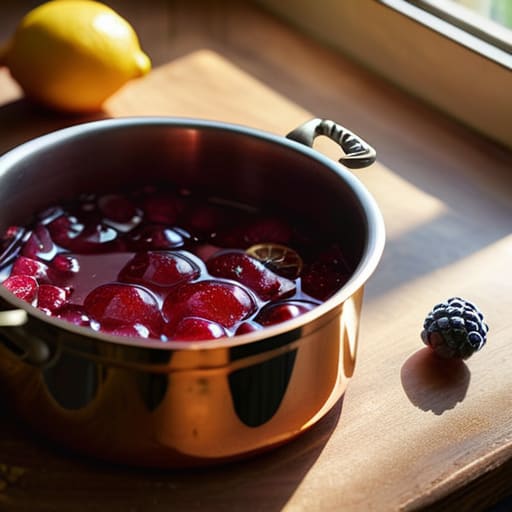
You can have all the pectin in the world, but if you don’t respect the chemistry between your fruit and your sugar, you’ll end up with nothing but flavored syrup. I’ve seen many a novice try to fix a runny batch by simply adding more fruit, but that’s a mistake. You have to understand the sugar to acid ratio for jam; the sugar isn’t just there for sweetness, it acts as a stabilizer that allows the pectin network to actually lock into place. If your fruit is particularly low in acid—like some of the sweeter summer berries—you might need a squeeze of lemon to nudge the pH down. Without that acidity, the pectin molecules won’t bond, and you’ll be staring at a pot of liquid regardless of how long you boil it.
Think of it as a balancing act rather than a strict formula. If you’re working with fruit that is low in natural pectin sources, you have to be even more vigilant about your sugar levels to ensure the gelatinization process in preserves actually takes hold. It’s a delicate dance of heat and chemistry, and if you rush the boil to save time, you’ll likely end up with a sticky, over-caramelized mess instead of a clean, bright set.
Finding Natural Pectin Sources in Fruit
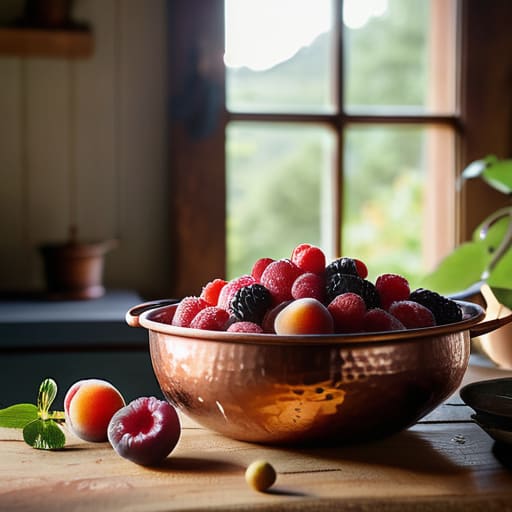
Now, don’t go running to the store to buy a box of powdered pectin the moment you see a bowl of soft berries. Most people think they need a chemical fix to prevent runny jam, but they forget that the fruit itself is a living thing with its own internal structure. If you want a preserve that holds its shape without tasting like a laboratory, you have to understand your natural pectin sources in fruit. Not all fruit is created equal; a ripe, sweet peach is a lovely thing to eat, but it’s a nightmare for setting because the pectin has already begun to break down into sugar.
If you are working with low-pectin fruits like strawberries or peaches, you shouldn’t panic. You simply need to balance the scales. I always suggest tossing in a handful of tart green apples or even a few lemon slices. The acid from the citrus and the pectin from the apple skins act as the perfect fruit preserve thickening agents. It’s about working with what nature provided rather than trying to override it. If you aren’t sure if you’ve hit the mark, use the cold plate test for jam—it’ll tell you more than any recipe ever could.
Five Ways to Stop Your Jam from Running Like Water
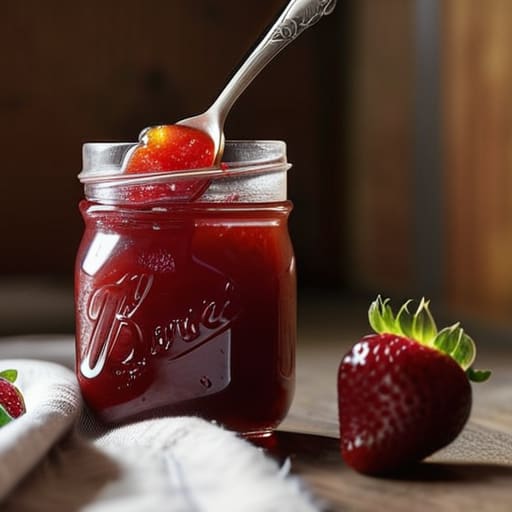
- Don’t trust the clock, trust the temperature. If you aren’t using a thermometer, you’re just guessing, and guessing is how you end up with syrup instead of preserves. You’re looking for that 104°C (220°F) mark; anything less and you haven’t actually finished the job, no matter how long you’ve been standing over the copper pot.
- Watch your heat, not just your fruit. If you crank the flame to high just because you’re impatient, you’ll scorch the sugars at the bottom of the pan. A scorched jam has a bitter, burnt aftertaste that no amount of lemon juice can mask. Low and slow builds the structure; rushing it just breaks it.
- The “Plate Test” is your best friend. Before you even think about reaching for a jar, put a small spoonful of the hot jam onto a chilled saucer. Let it sit for a minute, then push it with your finger. If it wrinkles, it’s set. If it slides around like it’s still in the pot, it needs more time on the heat. It’s better to boil it for another five minutes now than to cry over a jar of liquid tomorrow.
- Stop over-stirring once the pectin has done its work. I know it’s tempting to keep poking at it, but constant agitation can actually break down the delicate bonds you’ve worked so hard to create. Once it reaches the boil, stir enough to keep it from sticking, then let the heat do the heavy lifting.
- Remember that fruit is a living thing, not a measurement on a page. A batch of strawberries from a cold, damp morning will behave differently than those ripened in the sun. If your fruit feels particularly watery, you might need to slightly increase your pectin or reduce your liquid before you even start the boil. You have to read the fruit, just like I read my dough.
Three Things to Remember Before You Turn Out the Heat
Don’t treat your fruit like a checklist; if it’s low in pectin, you’ll need to supplement it or adjust your acid, but never try to make up for poor fruit by over-boiling, or you’ll end up with a sticky, dark mess instead of a bright preserve.
Watch the temperature, not the clock, because a kitchen’s heat is as fickle as the weather; the jam sets when the pectin and sugar find their balance at the boil, not because a timer went off.
Patience is your best tool when testing the set; if you rush the cooling process or pull it off the heat too early because you’re hungry, you’ll be disappointed by a runny jar that’s lost its soul.
The Final Set
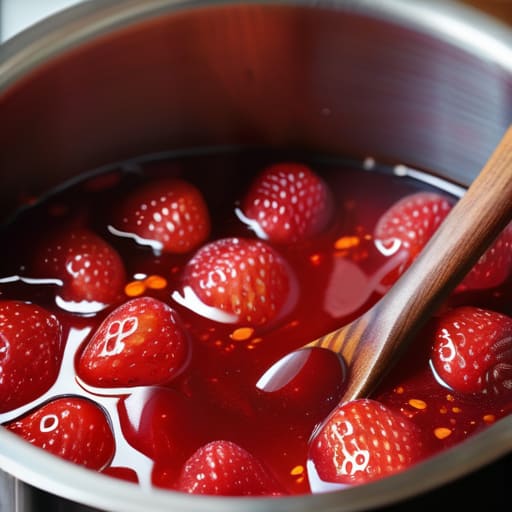
At the end of the day, a runny jam isn’t a mystery; it’s usually just a lack of attention to the fundamentals. You’ve balanced your sugar and acid, and you’ve identified where your pectin is hiding in the fruit, but remember that the heat is your partner, not your enemy. If you find yourself staring at a pot that won’t thicken, don’t go reaching for the store-bought pectin powder in a panic. Instead, check your temperature, look at your fruit-to-sugar ratio one more time, and give the boil the time it actually requires. Jam is a living thing, reacting to the heat and the fruit’s own chemistry, and it won’t be rushed by someone with a stopwatch and a heavy hand.
I spent three decades watching dough rise and fruit boil, and if there is one thing I know, it is that patience is the only ingredient you can’t buy. There is a specific, quiet magic in that moment when the spoon leaves a clear trail across the bottom of the pot and you realize you’ve actually done it. Don’t be discouraged by a batch that stays a bit too loose; even a “failed” jam makes a wonderful sauce for yogurt or a glaze for a cake. Just keep your eyes on the pot, trust your senses over a thermometer, and learn the rhythm of the boil. That is how you move from following a recipe to truly understanding the craft.
Frequently Asked Questions
My jam is thick when it's hot in the pan, but it turns into a puddle on the plate once it cools—what am I doing wrong?
You haven’t done anything wrong with your fruit, you’ve just been fooled by the heat. When jam is boiling, the sugar and pectin are dancing in a way that looks thick, but that’s a lie. As the temperature drops, the pectin needs to bond. If it stays a puddle, you likely rushed the boil or didn’t reach the setting point. It’s not about the recipe; it’s about giving the molecules time to find each other.
Can I use store-bought pectin to fix a batch that isn't setting, or will that ruin the flavor of my fruit?
You can use store-bought pectin to rescue a runny batch, but don’t just dump it in like an afterthought. If you do, you’ll end up with a jelly that tastes more like a laboratory than a summer orchard. To keep the flavor honest, stir the pectin into a small amount of your fruit juice first to ensure it dissolves properly before adding it back to the pot. It’s a safety net, not a substitute for good fruit.
How do I know if I've boiled the jam long enough without using a thermometer or a fancy test?
Put the thermometer away; it won’t tell you how the fruit is behaving. Instead, use the cold plate test. Spoon a bit of the hot jam onto a chilled saucer and let it sit for a minute. Push it with your finger—if it wrinkles and holds its shape rather than running like syrup, you’re there. If it’s still too fluid, give it another minute of heat. Trust your eyes, not a digital readout.